Destinations
Summer in the Yukon Hits Different: Outdoor Adventures, Long Days, and Local Culture
Sponsored
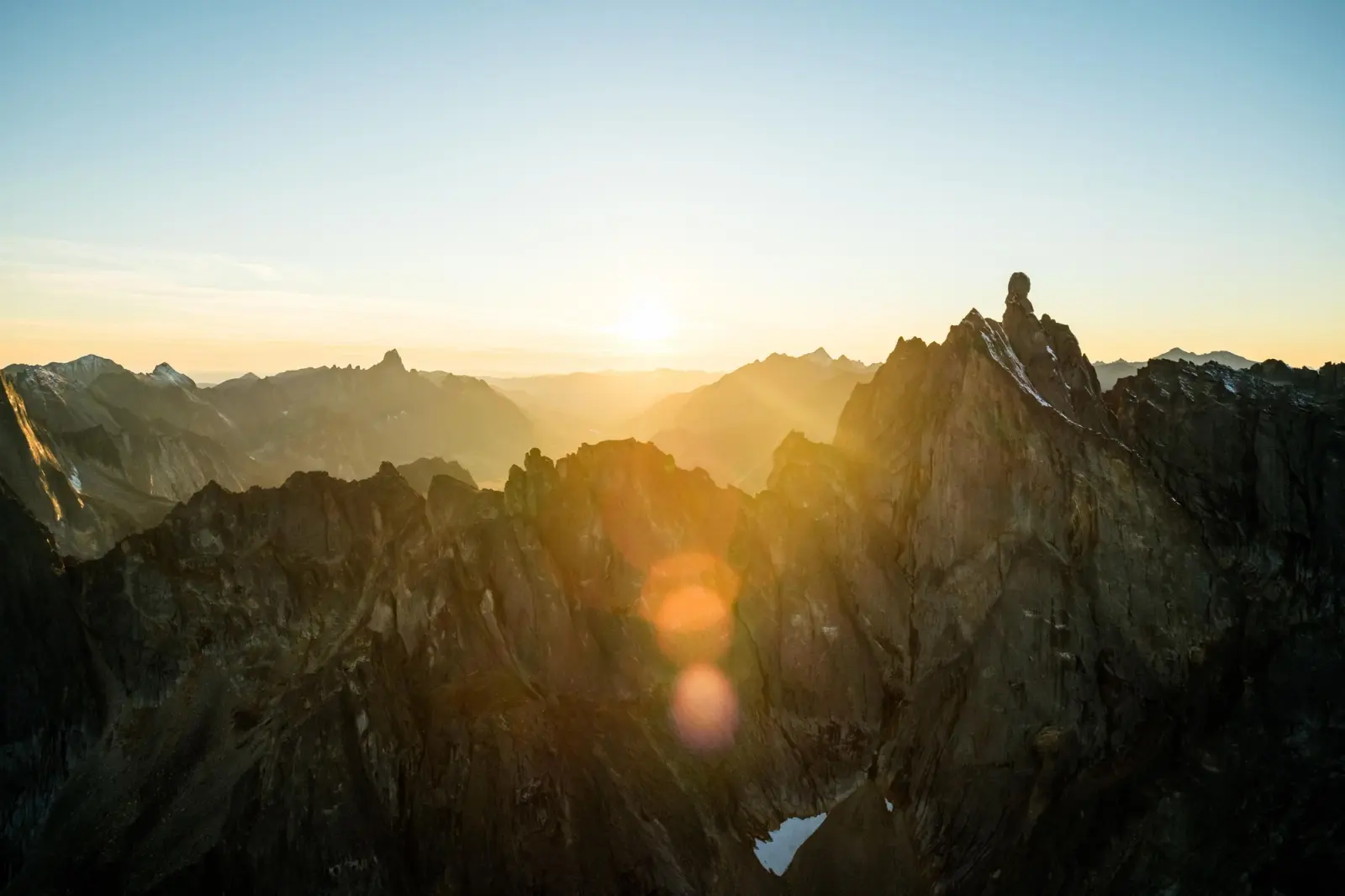
Between late May and August, the Yukon trades darkness for near endless light. Hikes stretch past their posted times, paddles drift well beyond dinner, and golden hour lingers until it barely feels like night at all. Communities settle into a rhythm shaped by the Midnight Sun. It is one of Canada’s most distinctive summer experiences.
Share
This feature is presented in partnership with Travel Yukon.
Summer in the Yukon offers a distinct rhythm that sets it apart from the rest of the country. Between late May and August, daylight lingers long past what most people would call evening. The rivers run free of ice, trails dry out, and in the smaller towns, things just feel more alive — patios fill earlier, bikes rattle over boardwalks, and kids stay outside way past when you'd expect.
The Midnight Sun Effect

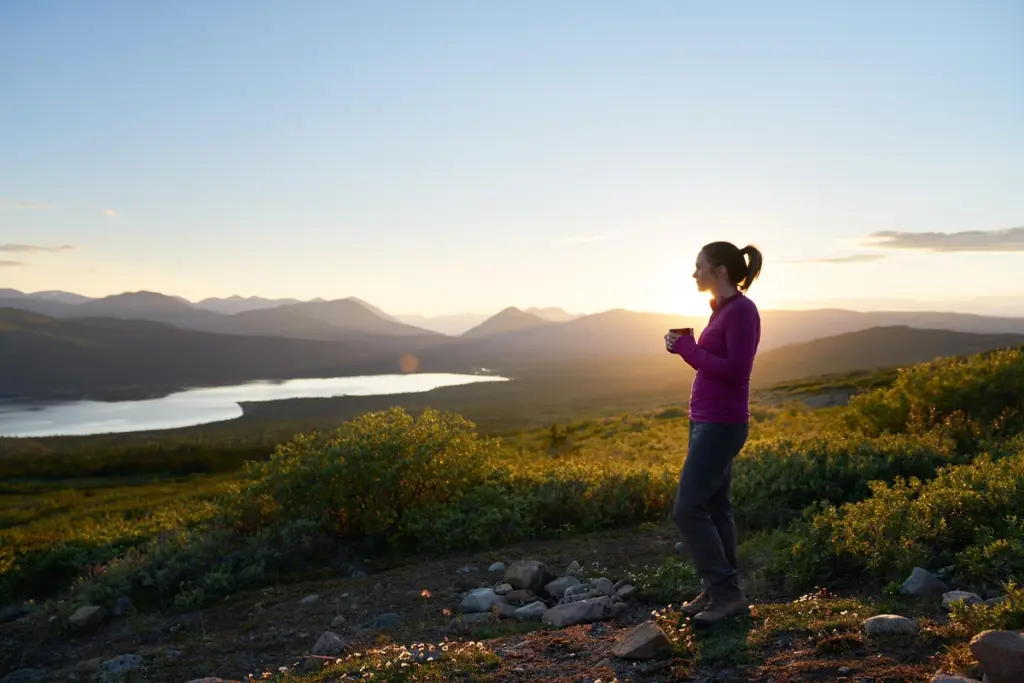
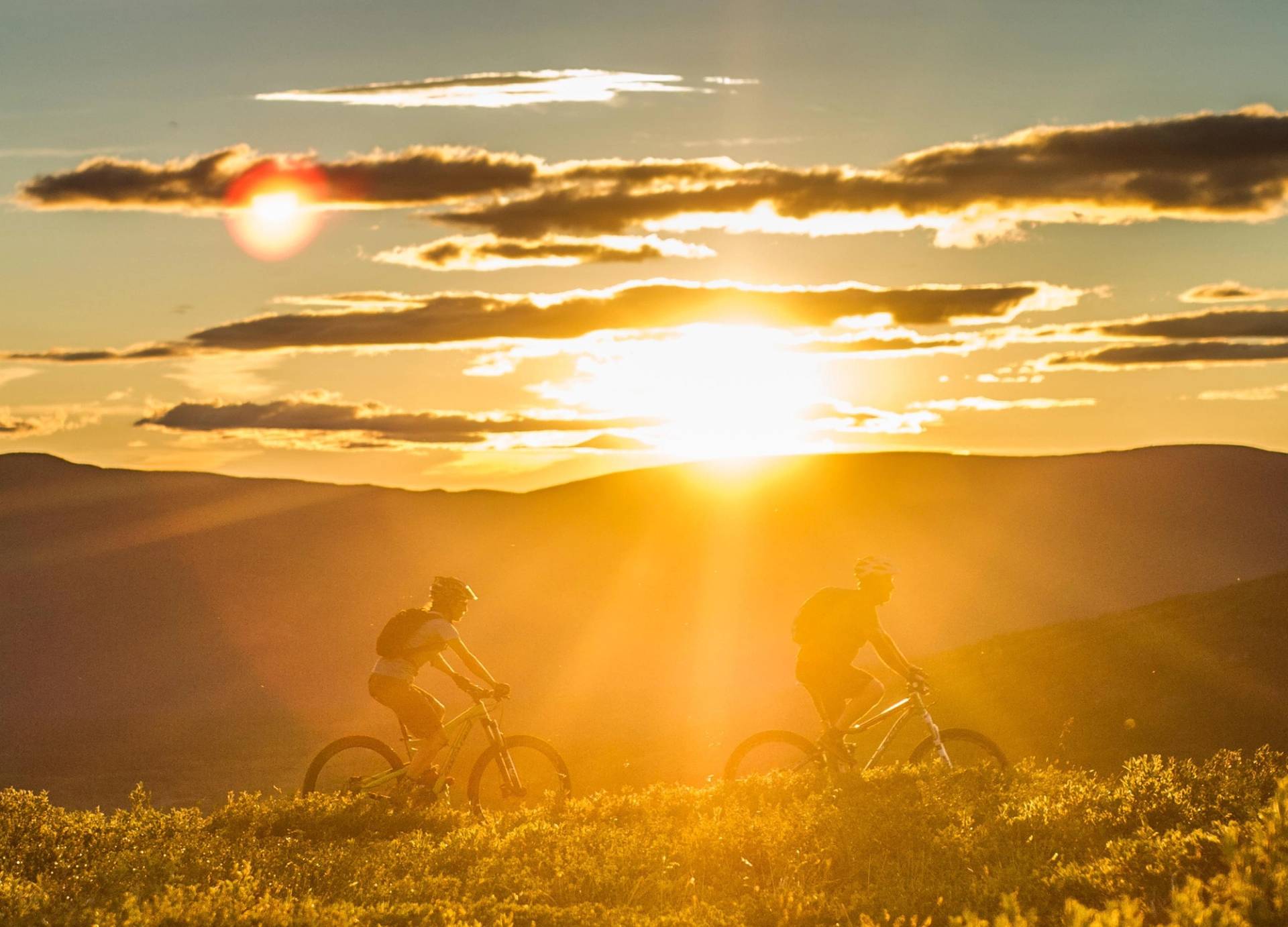
In most of Canada, golden hour is a quick, pretty thing and then it’s gone. In the Yukon, it just refuses to end. You are wide awake. Everyone is. Have you ever tried to convince your brain it is bedtime while the sky looks like late afternoon? You say you will turn in early, but then someone suggests a quick drive up to the lookout and suddenly it is 1:17 AM and you are still in your hiking boots. It is disorienting in the best possible way, the kind of strange that makes you grin every time you check your watch.
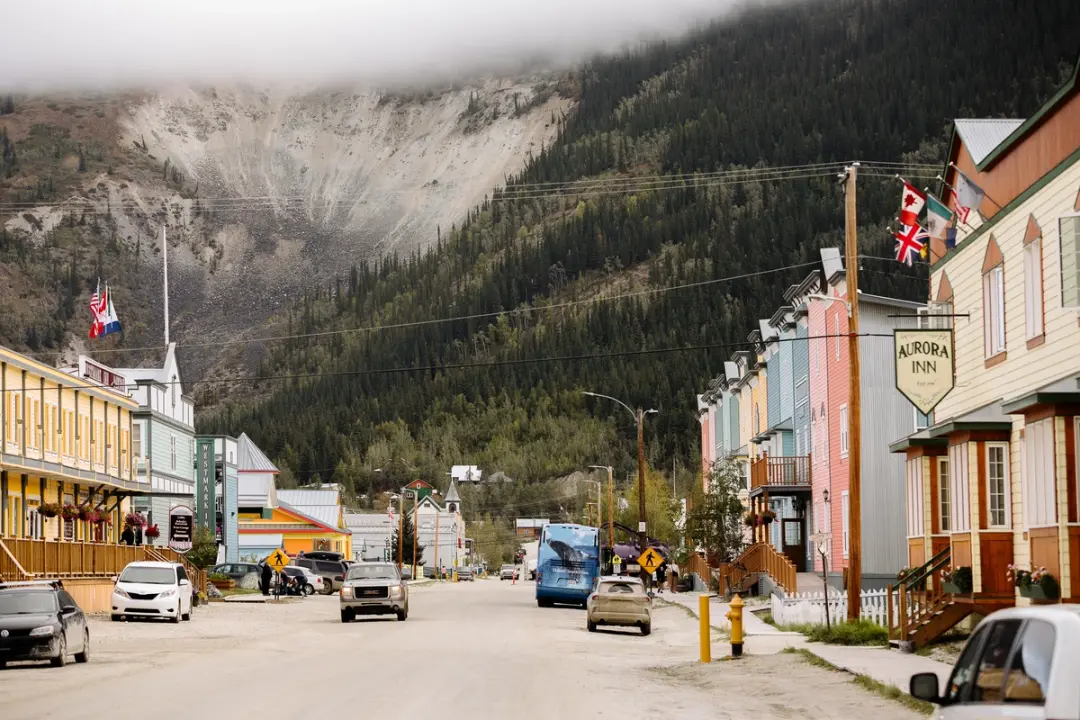
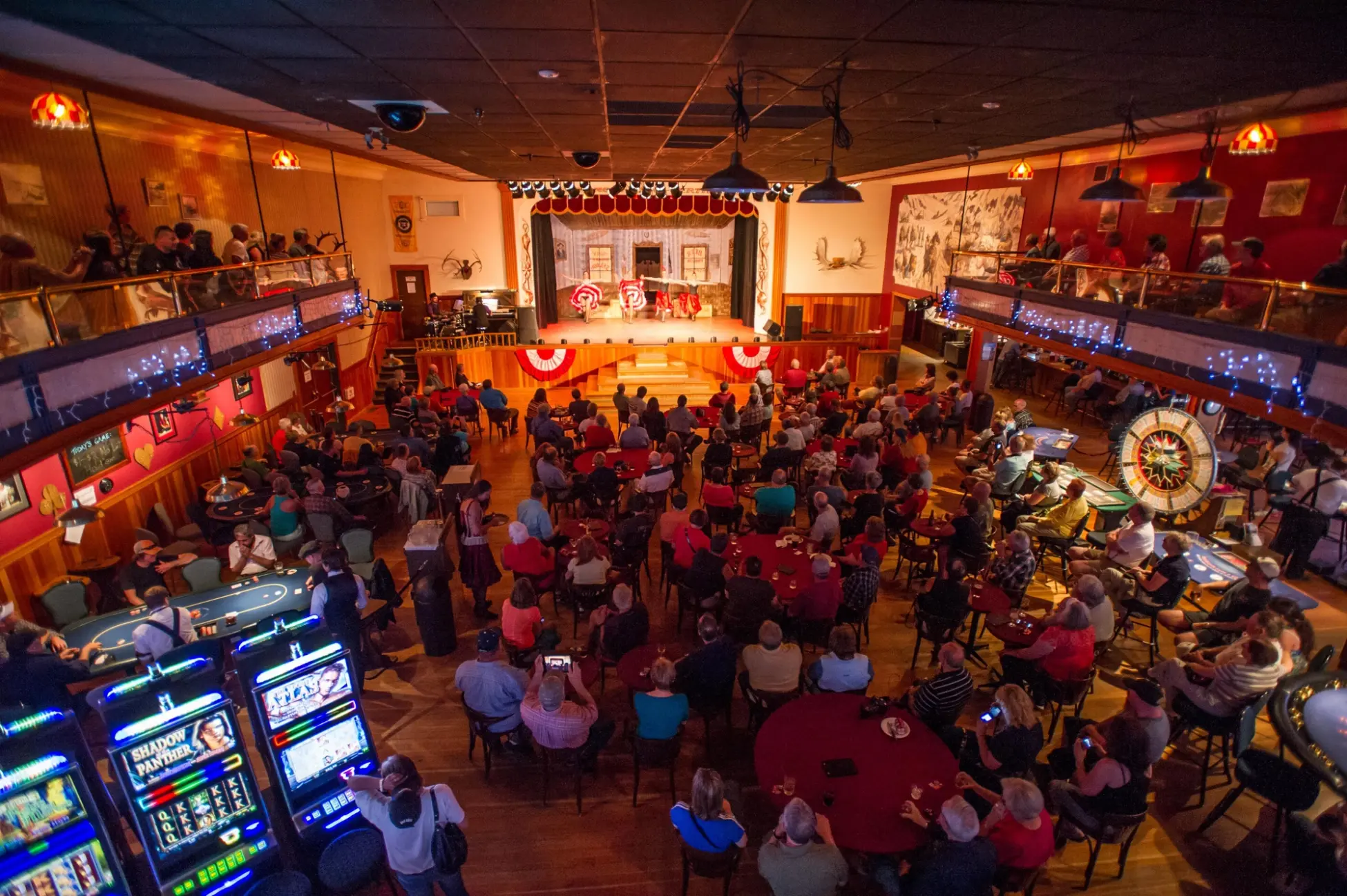
Those extra hours of light change how many travellers move through a day. There is no last-minute rush to get one more thing in before dark, so evenings stretch into long, loose adventures. One might paddle a quiet cove after dinner, then end up walking Dawson City's wooden boardwalks at 11pm to hit Diamond Tooth Gertie’s for a nightcap and a show, passing gardeners still weeding and kids still biking circles in the street. In Whitehorse, Carcross, and Old Crow and the smaller communities in between, barbecues, backyard conversations and spur-of-the-moment walks simply drift later, as if everyone quietly agreed that bedtime is optional for a few weeks each year.
Wilderness Within Arm's Reach
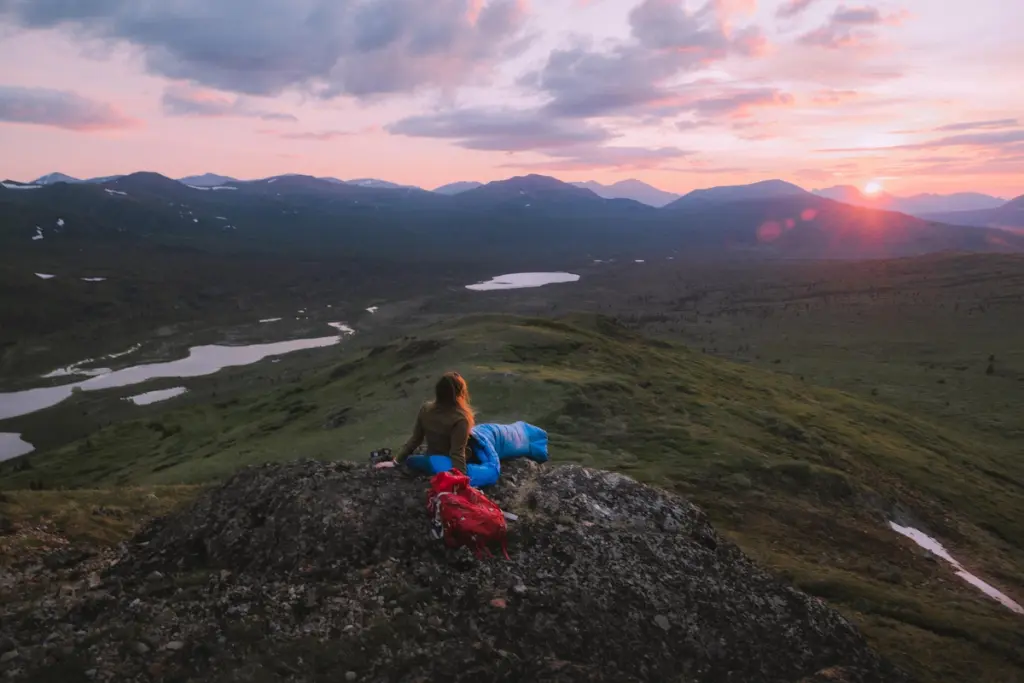
One of the surprises about Yukon summers is how close the wild feels, not as an idea on a brochure but as a place you actually step into between breakfast and dinner. By late May, trails start to reappear from under the snow. Some follow quiet rivers, others climb into open country where you might lose track of time and distance, but gain a few stories along the way.
There are hikes here that play tricks on one’s sense of time. A route signed as three hours return can stretch into five because the constant light keeps gifting you reasons to keep going: one more viewpoint, one more side trail, one more ridge that looks just close enough. By the time you get back to the trailhead, you are tired but fulfilled, with the kind of full-body fatigue that comes from squeezing every drop out of a long, bright day rather than racing the sunset.

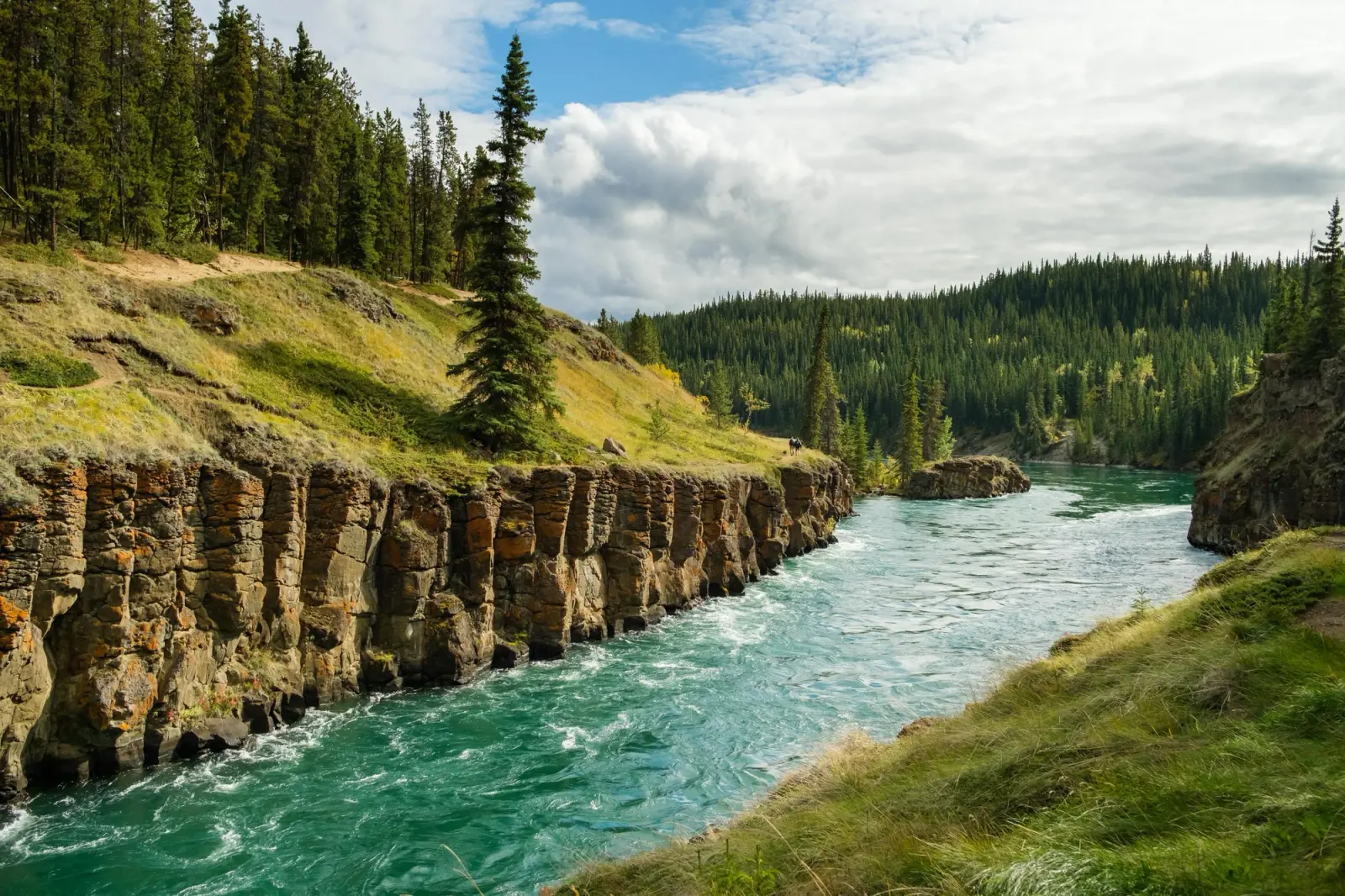
In Tombstone Territorial Park, jagged black peaks rise straight out of the tundra beside the Dempster Highway. Visitors hoist a pack and follow the trail to Grizzly Lake, watching the colours shift from green to rust as you climb, or visit the interpretive centre to learn more about the park’s natural and cultural history. Kluane National Park and Reserve feels bigger than any map suggests, but you do not need ropes or glacier gear to feel it; day hikes like King's Throne or the Auriol Trail carry you into real alpine air, where the wind still smells faintly of snow even in July. Closer to Whitehorse, Miles Canyon and the Yukon River Trail give you easy access to spruce forest, steep riverbanks and bright, milky-blue water that looks almost lit from within.
Rivers, Culture and Extended Evenings
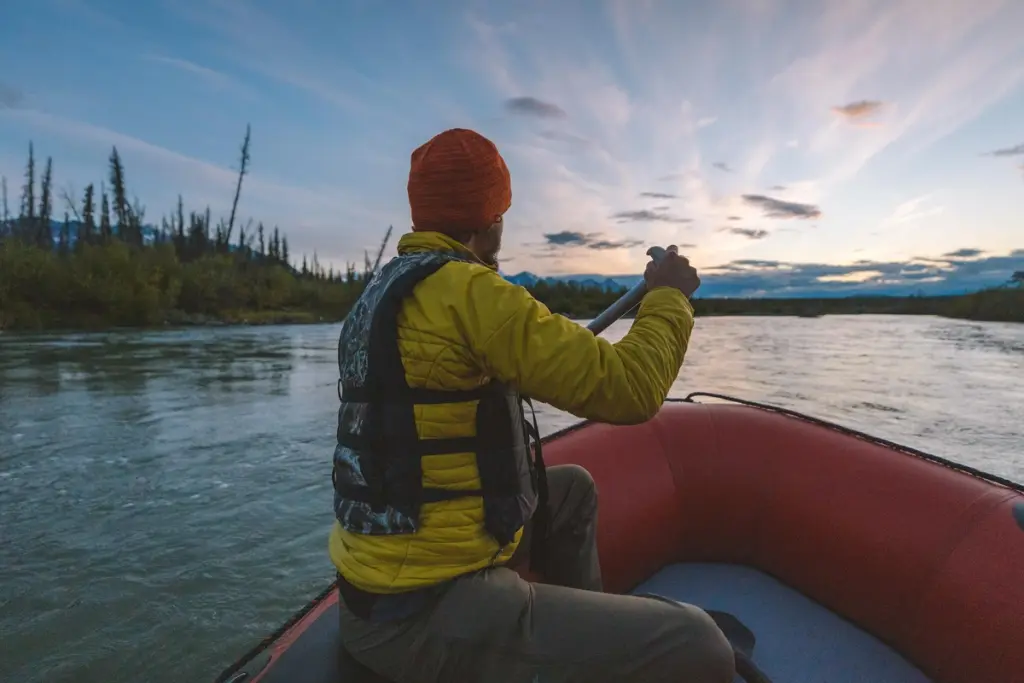
The Yukon River is more than a line on a map; it is a moving thread of history and summer stories. In Whitehorse, you can select from a variety of reliable local tour operators, push off from town in a canoe or kayak and feel the city fall away in a few paddle strokes, the current tugging you north toward Lake Laberge. Multi-day paddling trips lead by experienced guides mean nights on gravel bars, campfire smoke in your jacket and the quiet thrill of knowing these are the same waters Klondike gold seekers once trusted with everything they owned. On gentler days, lakes like Kusawa or Bennett Lake within Carcross offer relaxed paddles, cold swims and long drifting conversations.

Summer is also when Yukon's stories step outside. In Dawson City, Gold Rush era buildings lean gently along the streets, and walking tours thread together tales of boom-and-bust saloons, riverboats and improbable fortunes. Equally present, and far older, are the stories of the Indigenous peoples who have lived across the Yukon since long before there was a border to cross.
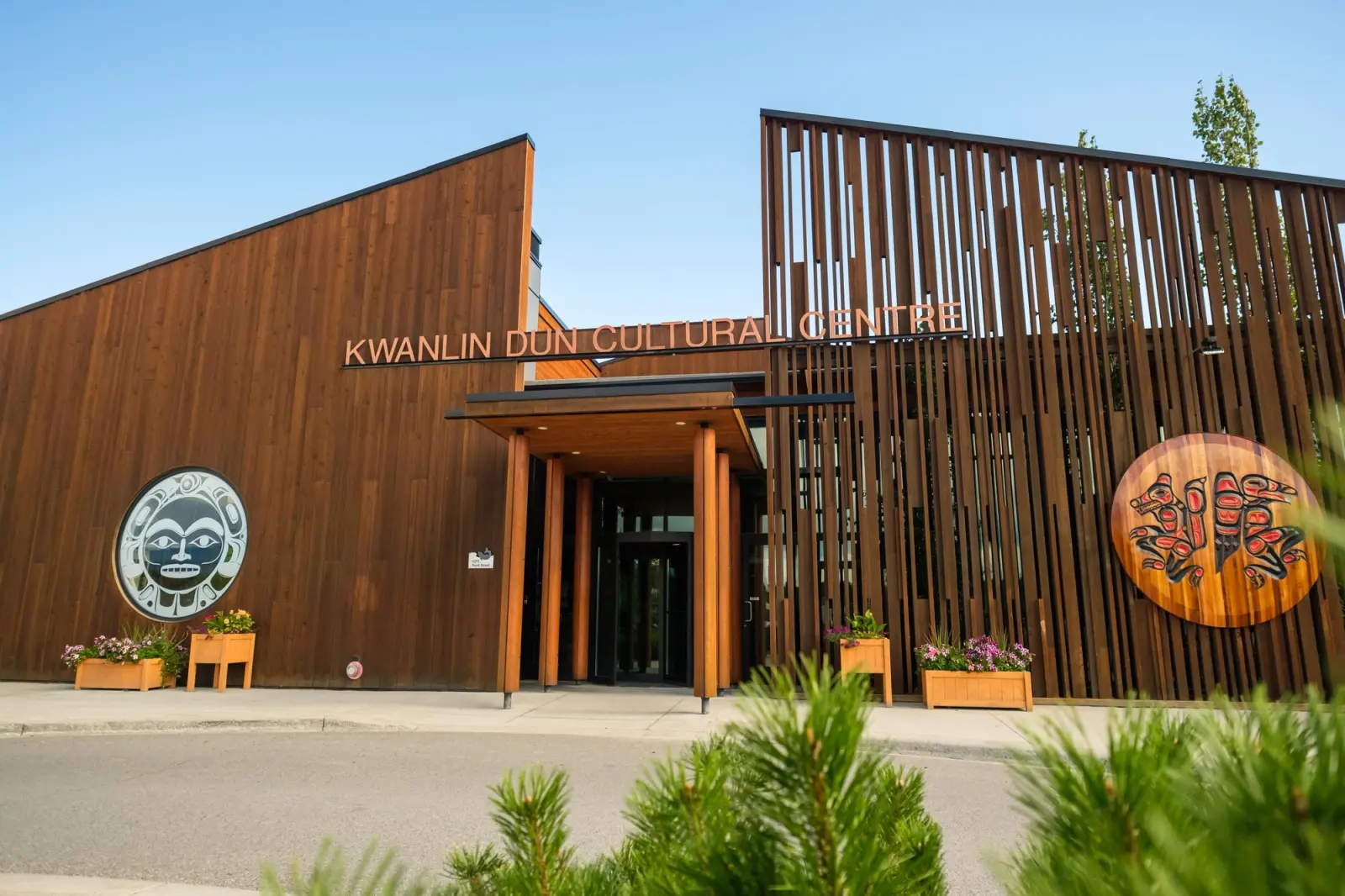
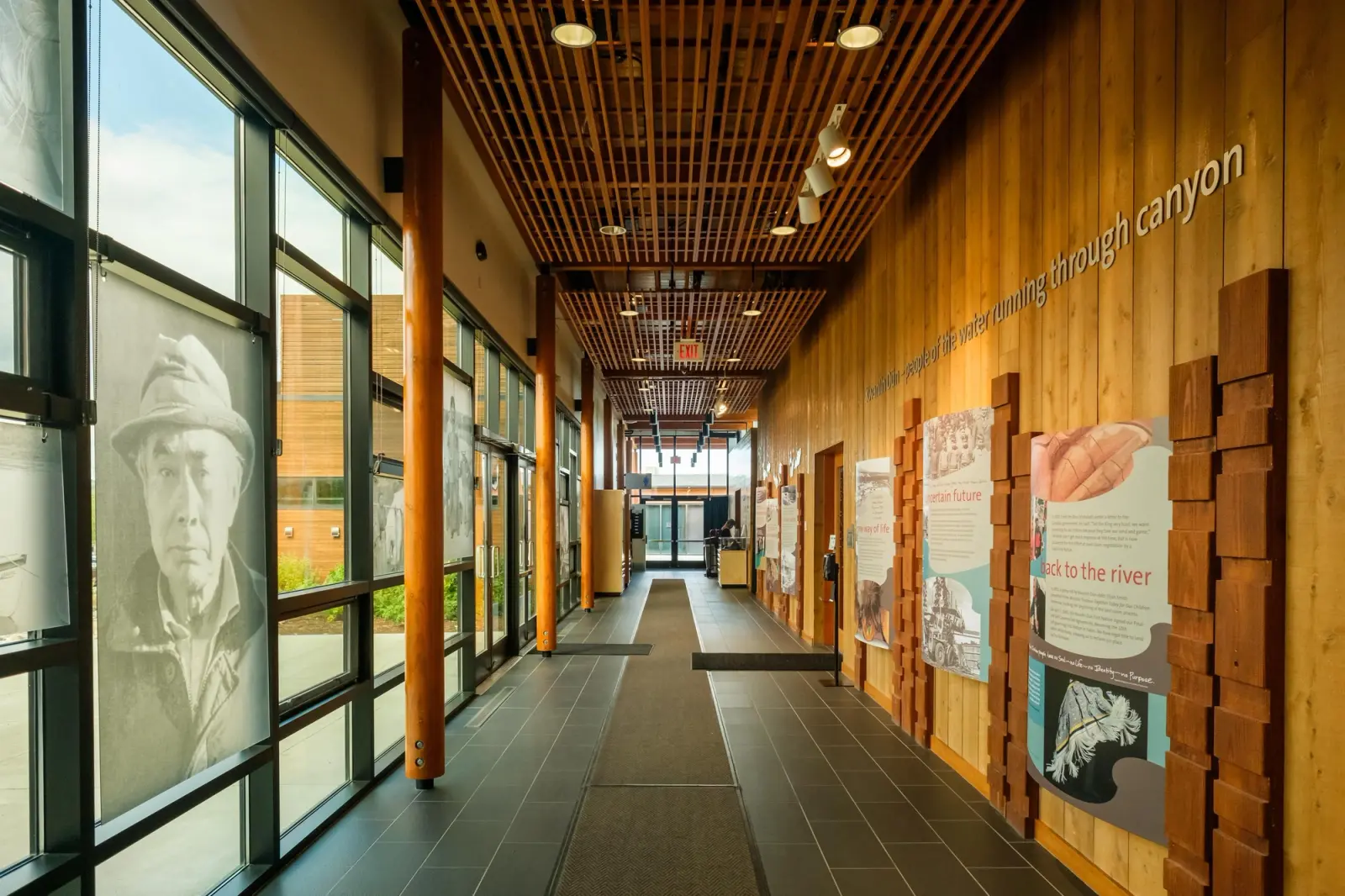
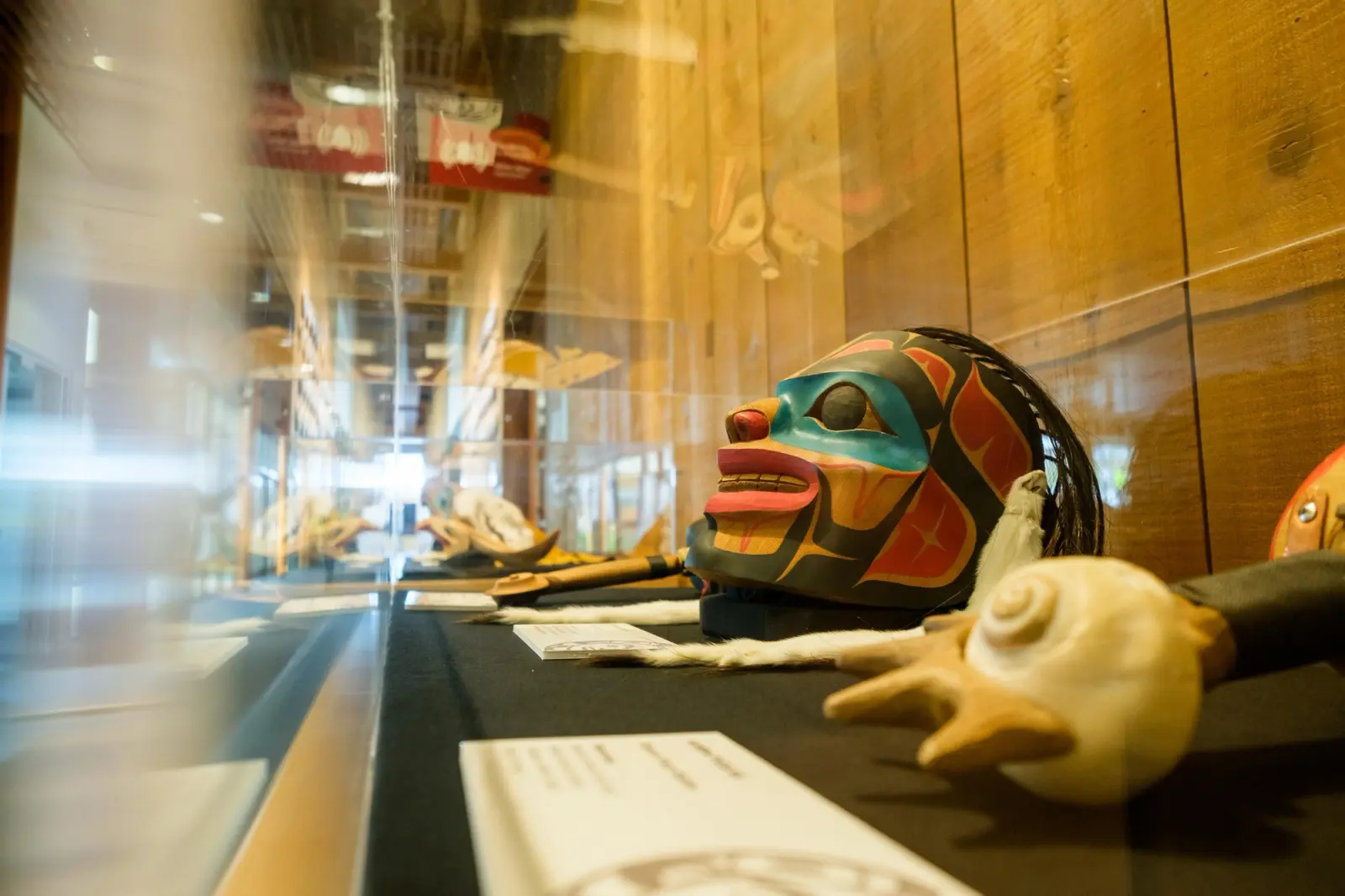
Cultural centres like the Kwanlin Dün Cultural Centre in Whitehorse host exhibits, seasonal gatherings, and interpretive programs along the Yukon River. In Carcross, Local artists from the Carcross/Tagish First Nation have created one of the most visually striking small town centres in the North, where totems, murals, and wood carvings speak of place and tradition. First Nations festivals and the Dawson City Music Festival bring together language, song and food, inviting visitors to listen rather than just look.
A Season That Stretches Time
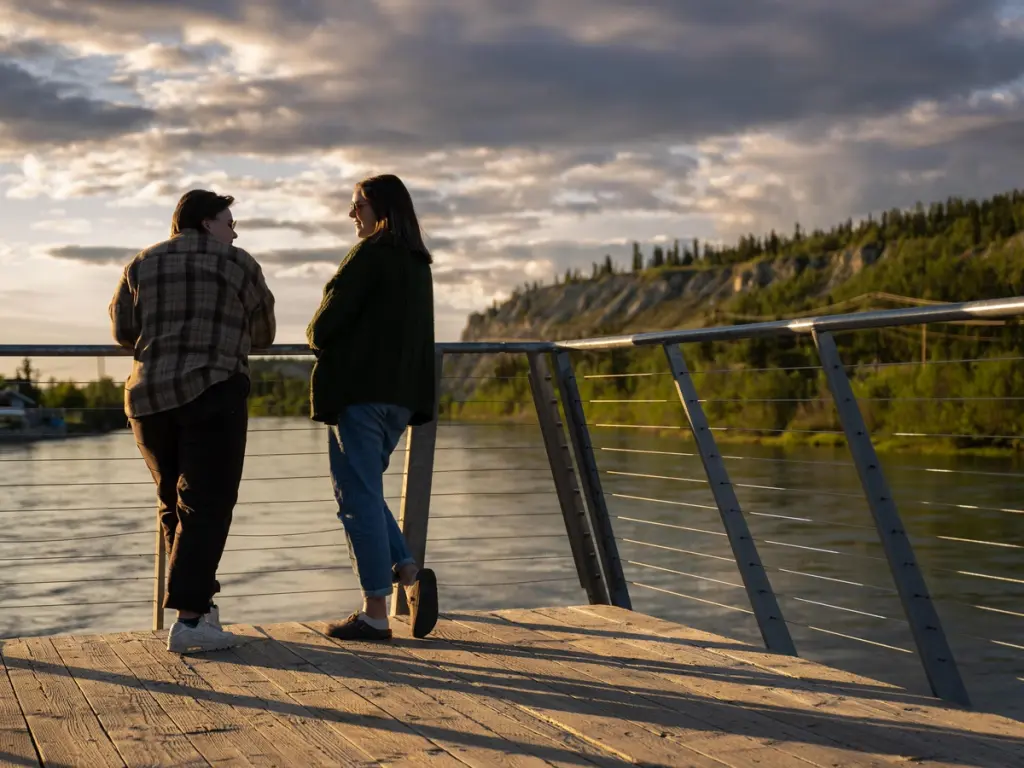
What catches people off guard most in the Yukon is how long the days feel. Not just on the clock, but in how much you can do before it even occurs to you that it's getting late. A walk along the Yukon River in Whitehorse at 10:30 PM feels less like late night and more like the world simply forgot to turn the lights off. Streetlights flick on even though the sky is still a soft blue, and the horizon persists with a long, lingering band of golden light that refuses to quit. Even a dusty highway pullout with nothing but a trash can and a few mosquitos can look cinematic in golden light.

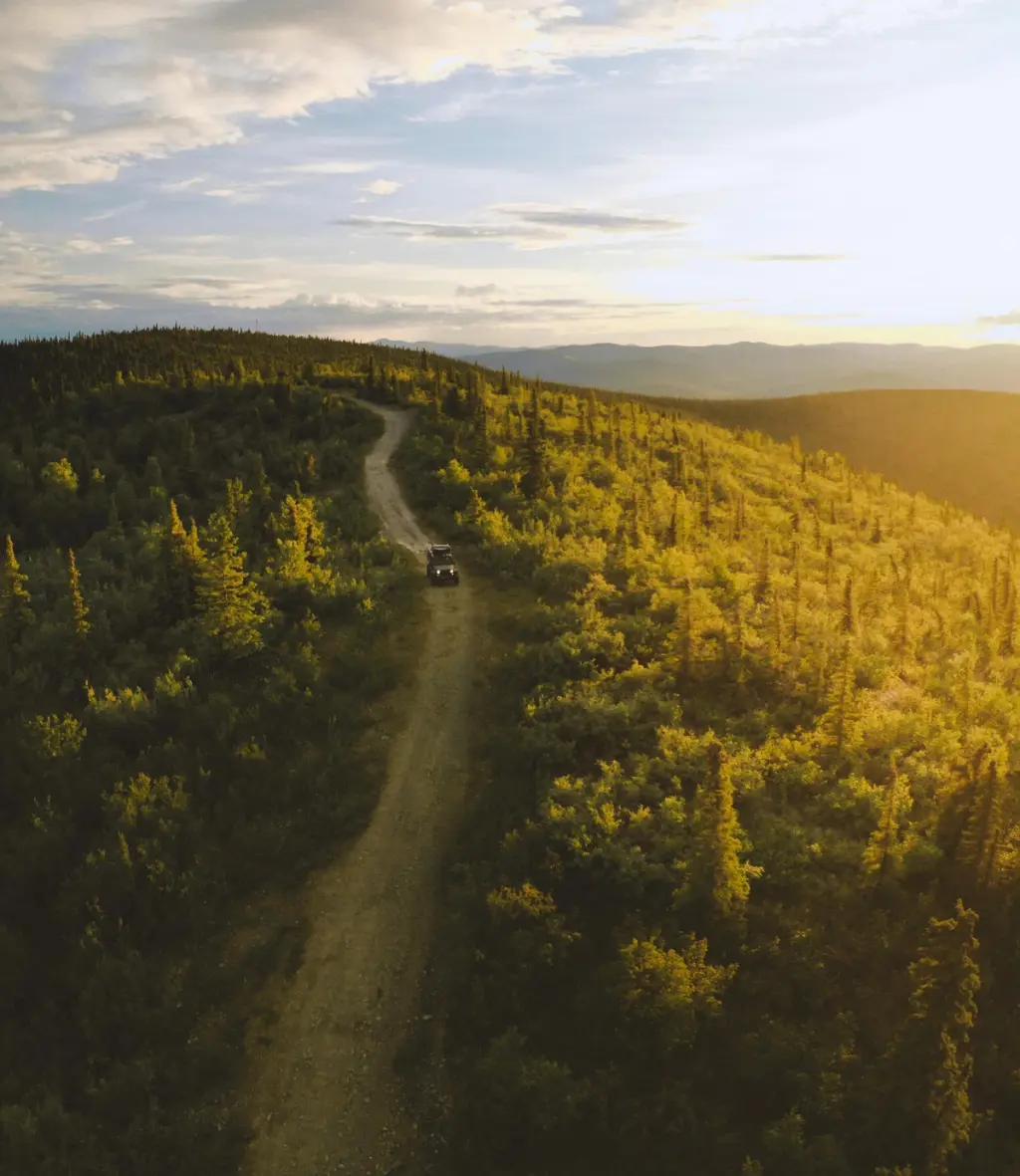
The season itself is short, but it does not feel that way when you are in it. From roughly mid May to late August, days blur together in the best way: road trips like the Klondike-Kluane Loop link mountain passes and river valleys, hikes that run longer than the signs suggest, evenings that start with just a quick walk and end with you standing on a lookout hours later, still chatting away. Most people head to the Yukon for the landscapes and scenery. What they remember later is the feeling: of light that never quits, trails that invite detours, and the rare freedom of a day that never really ends.



Go Canada Staff
Editorial
Go Canada is a digital travel publication dedicated to being a trusted resource for information and inspiration for those traveling to and within Canada. Our mission is to showcase the very best Canada has to offer while making travel planning and trip preparation enjoyable and easy. Our staff is a diverse group of travel experts, writers, and content creators who are passionate about sharing their knowledge and love for Canada.