Experiences
The Canada Strong Pass Is Back for 2026: What It Covers & How to Use It
The Canada Strong Pass is back for summer 2026, offering free access to national parks, discounted VIA Rail travel, and reduced museum admission across the country. Running through peak travel season, the pass makes it easier to build a trip that covers more ground.
Share
The Canada Strong Pass is returning this summer, giving travellers free access to Parks Canada sites, discounted VIA Rail fares, and reduced admission to museums and galleries across the country.
Available throughout the peak travel season, it’s designed to make exploring Canada more accessible, whether you’re planning a cross-country trip or a shorter regional getaway.

WHAT THE CANADA STRONG PASS ACTUALLY COVERS
No need for tickets or apps. During the peak summer travel stretch of 2026, from June 19th through September 7th, you just show up and these benefits apply:
- Parks Canada sites are free
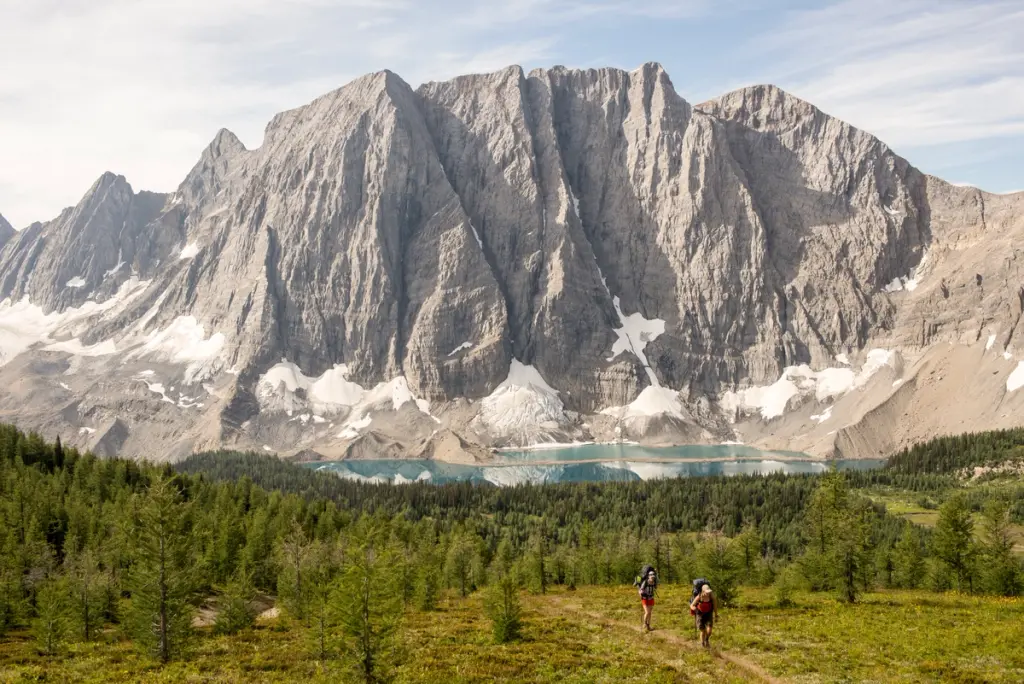
All of them. That includes places the spots everybody knows like Banff National Park and Jasper National Park, along with dozens of lesser-known parks and historic sites across the country that most people never get around to visiting. Camping and overnight stays are also discounted by roughly 25%. - National museums and galleries are free for anyone 17 and under
Young adults up to age 24 also get discounted admission. Major institutions like the Canadian Museum for Human Rights are included, along with select provincial and territorial museums and galleries. - VIA Rail train fares are discounted
Children travel free with an adult, and young adults receive reduced fares across much of the VIA Rail train network. - Regional partners are adding their own offers and incentives on top
Depending on where and when you go, provincial partners are kicking in their own deals, including discounted access to museums and cultural sites.


PLAN BEYOND THE HOT SPOTS
Banff in July and August is stunning but during this peak season it is also genuinely crowded in a way that can detract from the travel experience.
To avoid the crowds, here are some ideas:
- Stay in the Rockies but head into Kootenay National Park or Yoho National Park, where you’ll find dramatic scenery, with noticeably fewer people on the trails compared to Banff
- Head east to Southern Ontario and explore Bruce Peninsula National Park and nearby Fathom Five National Marine Park, where you’ll find turquoise water, coastal hiking trails, and more than 20 historical shipwreck dive sites
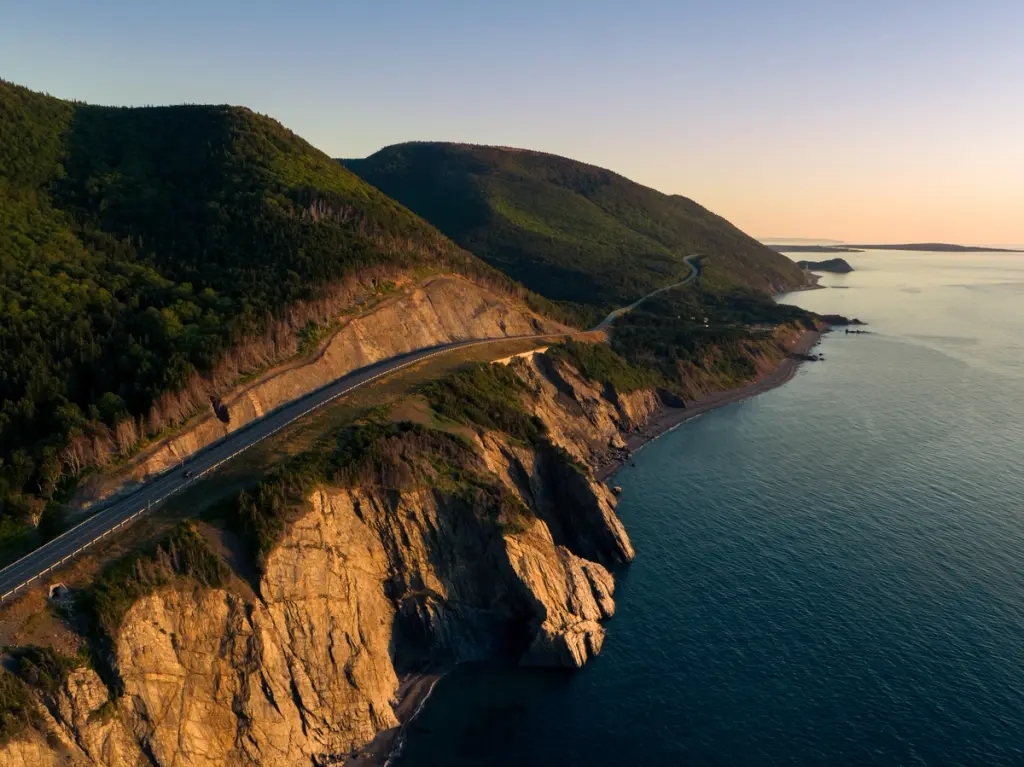
- Build a trip around Atlantic Canada, combining Kejimkujik National Park with a road trip out to Cape Breton Highlands National Park, where coastal scenery, wildlife sightings, and quieter roads make for a more relaxed pace of travel

A QUIET CONTRAST
While Canada is actively lowering the barriers to its parks and cultural sites this summer with programs like the Canada Strong Pass, the United States has been moving in the other direction by introducing new fees for international visitors, including a US$100 per person “Non-resident Fee” on top of standard entrance rates at 11 of the most visited US National parks, including Yellowstone, Yosemite, Zion, and the Grand Canyon.
Canada, right now, feels more accessible and easier to navigate, especially for international visitors deciding where to spend a summer trip.
THE BOTTOM LINE
The Canada Strong Pass isn’t complicated, and that’s part of the appeal. It cuts costs, removes a few barriers, and makes it easier to explore more of the country. Sometimes that’s all you need to take a trip a little further than planned.


Go Canada Staff
Editorial
Go Canada is a digital travel publication dedicated to being a trusted resource for information and inspiration for those traveling to and within Canada. Our mission is to showcase the very best Canada has to offer while making travel planning and trip preparation enjoyable and easy. Our staff is a diverse group of travel experts, writers, and content creators who are passionate about sharing their knowledge and love for Canada.